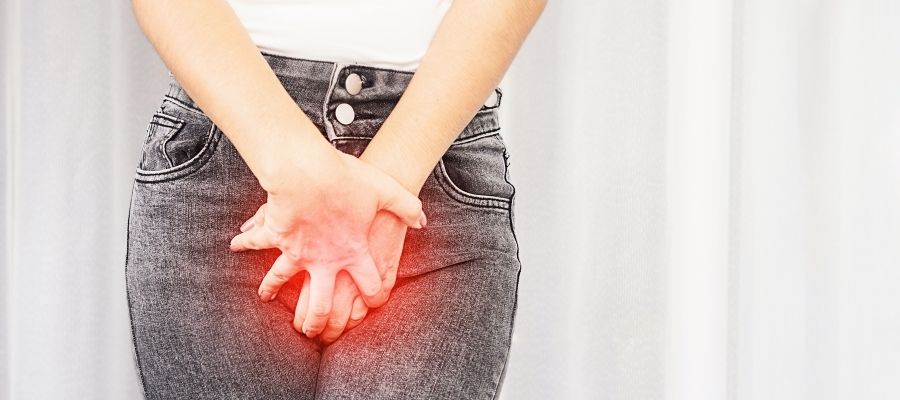


İdrar kaçırma (üriner inkontinans), kişinin istemsiz olarak idrarını tutamaması durumudur. Bu durum, yaşam kalitesini olumsuz etkileyebilir ve farklı yaş gruplarında görülebilir. Ancak, günümüzde birçok etkili tedavi seçeneği mevcuttur.
İdrar Kaçırmanın Nedenleri
İdrar kaçırma, birçok faktörden kaynaklanabilir:
• Kas zayıflığı: Pelvik taban kaslarının güçsüzleşmesi
• Hormonal değişiklikler: Özellikle menopoz sonrası östrojen azalması
• Sinir sistemi hastalıkları: Parkinson, MS gibi rahatsızlıklar
• İdrar yolu enfeksiyonları: Geçici idrar kaçırmalara neden olabilir
• Fazla kilo: Karın içi basıncı artırarak mesaneye baskı yapar
• Bazı ilaçlar: Diüretikler gibi idrar üretimini artıran ilaçlar
İdrar Kaçırma Türleri
1. Stres Tipi İdrar Kaçırma: Öksürme, hapşırma, gülme veya ağır kaldırma sırasında oluşur.
2. Sıkışma Tipi (Urge) İdrar Kaçırma: Aniden gelen idrara çıkma hissiyle birlikte yetişememe durumu.
3. Karışık Tip İdrar Kaçırma: Hem stres hem de sıkışma tipinin birleşimi.
4. Taşma Tipi İdrar Kaçırma: Mesanenin tam boşalamaması sonucu damlama şeklinde idrar kaçırma.
5. Fonksiyonel İdrar Kaçırma: Fiziksel veya zihinsel engeller nedeniyle tuvalete zamanında yetişememe.
İdrar Kaçırma Tedavisi
İdrar kaçırma tedavisi, kişinin yaşadığı problemin türüne ve şiddetine göre belirlenir. Hastanemizde en güncel ve etkili tedavi yöntemleri uygulanmaktadır.
Yaşam Tarzı Değişiklikleri:
• Sıvı alımını düzenlemek
• Kafein ve alkol tüketimini azaltmak
• Kilo kontrolü sağlamak
• Pelvik Taban Egzersizleri (Kegel Egzersizleri):
• Pelvik kasları güçlendirerek idrar kontrolünü artırır.
Fizik Tedavi ve Biyofeedback:
• Kasları kontrol etmeye yardımcı olur.
• İlaç Tedavisi:
• Mesane kaslarını kontrol etmeye yardımcı olan ilaçlar kullanılabilir.
Shelase Lazer Tedavisi:
• Cerrahi Olmayan ve Ağrısız Çözüm: Shelase Lazer Tedavisi, vajinal dokuların yenilenmesini sağlayarak pelvik tabanı güçlendirir.
• Hızlı ve Konforlu: Ortalama 20-30 dakika süren, anestezi gerektirmeyen ve günlük yaşama hemen dönülebilen bir işlemdir.
• Özellikle Stres Tipi İdrar Kaçırmada Etkili: Öksürme, hapşırma veya gülme gibi durumlarda yaşanan idrar kaçırmayı azaltmaya yardımcı olur.
Cerrahi Tedavi:
• Lazer tedavisi veya ilaçlardan fayda görmeyen hastalara askı ameliyatları, botoks enjeksiyonları gibi cerrahi yöntemler uygulanabilir.
Hastanemizde idrar kaçırma sorunu yaşayan hastalarımıza kişiye özel teşhis ve tedavi planları sunuyoruz. Uzman doktorlarımızın uyguladığı en yeni teknolojilerle yaşam kalitenizi artırmayı hedefliyoruz.